
In today’s fast-paced lifestyle, cooking everything from scratch isn’t always possible. Work schedules, long commutes, school routines, and unexpected responsibilities often make daily meal planning a challenge.
That’s why frozen food has become one of the fastest-growing food categories in modern households.
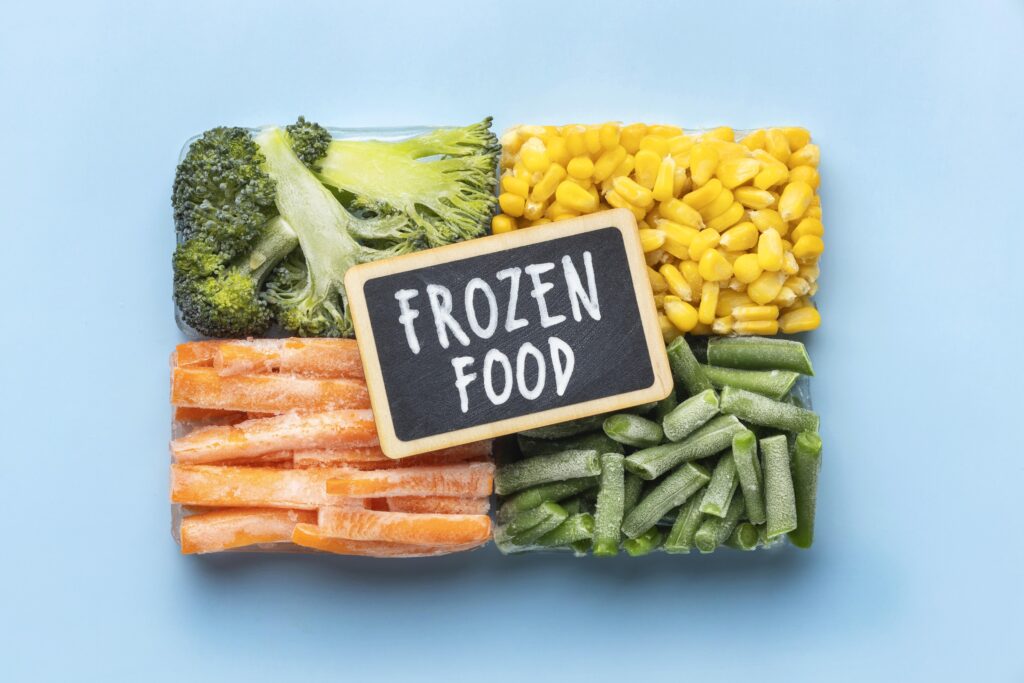
Once seen as just a backup option, frozen food today is appreciated for its quality, safety, nutrition, and convenience. Whether it’s frozen vegetables, ready-to-cook snacks, or fully prepared meals, frozen food is strengthening its place in kitchens around the world.
If you’re still unsure whether frozen food is a good choice, here are the 7 biggest benefits you should know.
1. Frozen Food Saves Valuable Time
Time is one of the most important things modern families want to save. Frozen food helps by reducing:
- Washing and cutting vegetables
- Long preparation steps
- Marinating or seasoning
- Cooking duration
With frozen ready-to-cook snacks or vegetables, meal preparation becomes quick, simple, and hassle-free.
2. Freshness and Nutrition Are Locked In
Many believe frozen food loses nutrients—but that’s a myth.
Advanced freezing techniques like IQF (Individual Quick Freezing) help lock in:
- Vitamins
- Minerals
- Color
- Texture
- Taste
Vegetables and snacks are frozen at peak freshness, which means nutrients stay preserved until you’re ready to cook.
Sometimes, frozen vegetables can be more nutritious than fresh ones that have been transported or stored for days.
3. Longer Shelf Life Means Less Food Spoilage
How many times have you thrown away:
- Rotten tomatoes
- Spoiled spinach
- Soggy coriander
- Bread that expired too soon?
Frozen foods help avoid this problem.
Because they stay fresh longer, you can use only what you need and store the rest—without worrying about spoilage.
This reduces food waste and makes planning meals easier.
4. Convenience Without Compromise
Frozen food gives families the flexibility to enjoy delicious meals anytime.
Whether you want food:
- Late at night
- For last-minute guests
- For quick breakfast
- For lunchboxes
- As a snack with tea
Frozen food is ready when you need it.
You can cook it the way you prefer—air fry, bake, shallow fry, steam, or microwave.
Your convenience, your way.
5. Consistent Taste and Quality Every Time
Homemade food taste varies depending on:
- Ingredients
- Cooking time
- Measurement of spices
- Mood of the cook 😊
But frozen food gives consistent results.
Every bite tastes just like the last one because:
✔ Ingredients are measured perfectly
✔ Standard recipes are followed
✔ Each batch is tested for quality
This makes frozen food a reliable choice for families, kids, and even guests.
6. Hygienic and Safe to Consume
Today, food hygiene matters more than ever.
Frozen food undergoes:
- Strict food safety checks
- Zero-hand contact processing
- Temperature-controlled storage
- Clean and modern packaging methods
Compared to street food or outside cooking where hygiene may be uncertain, frozen food offers trustworthy safety and quality.
7. Budget-Friendly and Value for Money
Frozen food helps save money because:
- There is no ingredient wastage
- No additional vegetables, spices, or oil needed
- Seasonal vegetables are available year-round
- No need to order from restaurants frequently
With frozen food, you pay for exactly what you will eat—not for what might get spoiled.
Final Thoughts
Frozen food isn’t just a trend—it’s becoming a smart lifestyle choice.
With benefits like:
- Time savings
- Hygiene
- Cost efficiency
- Nutrition
- Convenience
- Variety
- Taste consistency
It’s easy to understand why more families are adding frozen food to their weekly routine.
Whether you’re a busy parent, a working professional, or a student living alone, frozen food can make life easier—without compromising flavor, quality, or health.
FAQs
Is frozen food healthy to eat?
Yes. Most frozen foods preserve their nutrients due to rapid freezing, making them safe and healthy when cooked properly.
Does frozen food contain preservatives?
Not always. Freezing naturally prevents spoilage, so many frozen foods do not require added preservatives.
Can frozen snacks be air-fried instead of deep-fried?
Absolutely. Air frying is a healthier option and still gives crispy and delicious results.
How long can frozen food last in the freezer?
Shelf life depends on the product type, but most frozen foods last weeks or months when stored at the recommended temperature.
Is frozen food suitable for kids?
Yes. Frozen food is hygienic, convenient, and safe. Just choose products with clean ingredient profiles and proper cooking methods.