
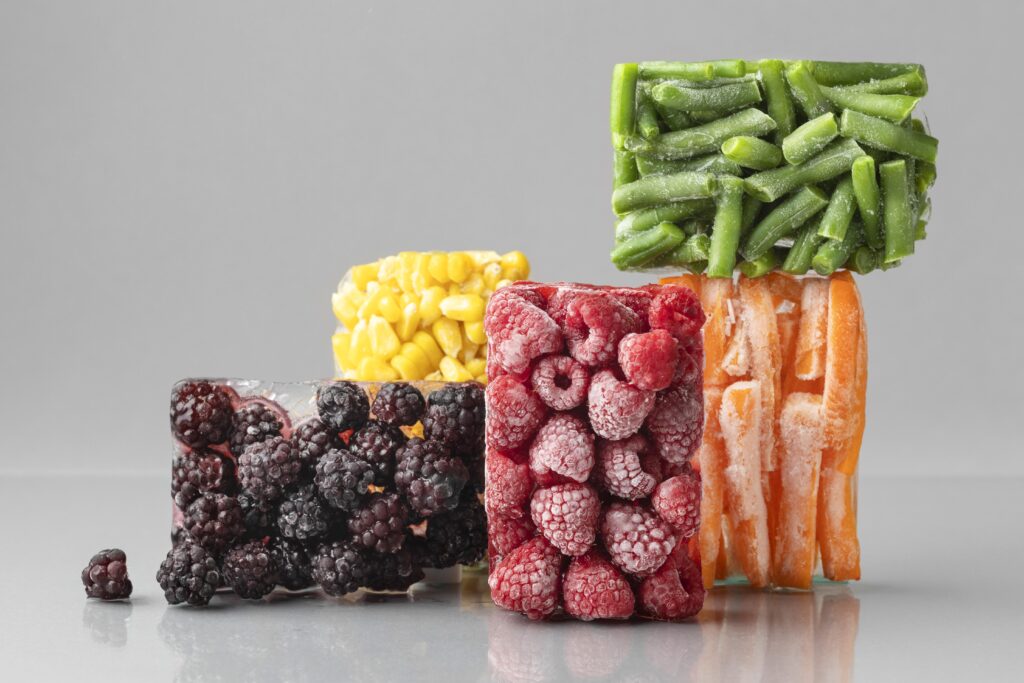
For decades, many households believed that fresh vegetables were the only healthy choice. People thought frozen vegetables were “processed,” “unhealthy,” or “filled with preservatives.”
But science, nutrition studies, and global food trends have proven something completely different.
Frozen vegetables are not only safe and healthy — but in many cases they are more nutritious than vegetables bought from the local store.
Today, families around the world — from the United States to the United Kingdom and from Australia to India — are switching to frozen vegetables because they bring convenience, nutrition, hygiene, affordability, and zero food wastage.
In this blog, you’ll learn everything you need to know about frozen vegetables:
- Are frozen vegetables healthy?
- How are frozen vegetables made?
- Do they lose nutrients?
- How long can they be stored?
- Do they taste good?
- Why are frozen vegetables becoming a global trend?
❄️ What Are Frozen Vegetables? (In Simple Words)
Frozen vegetables are freshly harvested vegetables that are:
- Cleaned
- Peeled or trimmed (if needed)
- Blanched (briefly boiled & cooled)
- Flash-frozen at ultra-low temperature
They go from farm to freezer within a few hours, locking in:
- Vitamins
- Minerals
- Color
- Taste
- Texture
- Natural nutrition
This is why frozen peas stay green and sweet, and frozen spinach stays leafy and fresh — even after months.
They don’t need preservatives because freezing itself prevents spoilage naturally.
🍀 Are Frozen Vegetables Healthy?
Yes. 100% healthy.
Research from multiple nutrition institutes and universities shows:
- Vegetables begin losing vitamins gradually after harvest.
- Transport time + storage time = more nutrient loss.
- Frozen vegetables are processed at peak ripeness and nutrition.
So by the time frozen vegetables reach your plate, their nutrition is largely preserved.
That’s why dieticians and fitness experts recommend frozen vegetables for people who want to:
- Eat more vegetables daily
- Save time in the kitchen
- Maintain diet consistency
- Reduce cooking stress
🌱 How Frozen Vegetables Are Made (The Process Many People Don’t Know)
The freezing industry does not just collect leftovers or old produce. Frozen vegetables are made from premium quality vegetables selected at peak maturity.
The process:
| Step | Description |
|---|---|
| Harvesting | Vegetables are picked at ideal ripeness |
| Sorting | Damaged pieces are removed |
| Cleaning | Washed thoroughly under food-grade water |
| Blanching | Boiled briefly to stop natural enzyme action |
| Cooling | Immediately cooled to protect nutrients |
| Flash Freezing | Individually frozen at –18°C or lower |
| Packaging | Hygienic temperature-controlled packing |
Because vegetables are frozen instantly after harvesting, nutrients remain naturally sealed inside.
🥦 10 Reasons Frozen Vegetables Are Becoming Popular Worldwide
1. Time-Saving for Busy Lifestyles
No peeling, cutting, chopping, washing, or boiling.
Just take what you need — cook immediately.
2. No Food Waste
You don’t throw away spoiled tomatoes, wilted spinach, or rotting greens. Frozen vegetables stay fresh for months.
3. High Nutrition Retention
Flash freezing locks in vitamins like A, C, K, and folate — making them just as healthy (sometimes healthier) than fresh vegetables.
4. Affordable All Year
Seasonal vegetables like peas, broccoli, and corn are available year-round at stable prices.
5. Convenience for Every Meal
Perfect for:
- Smoothies
- Soups
- Stews
- Pasta
- Fried rice
- Curries
- Salads
6. Perfect for Diet and Fitness Goals
Frozen vegetables help maintain regular vegetable intake — which is crucial for weight loss, immunity, gut health, and energy.
7. Ideal for Students & Working Professionals
No cooking skills required — frozen vegetables make it easier to survive without ordering restaurant food all the time.
8. Hygienic & Food-Safe
Factories follow strict hygiene standards — safer than unknown street or wet-market sources.
9. Consistent Taste
Every time you cook, you get the same taste and texture because vegetables are selected at perfect ripeness.
10. Eco-Friendly Choice
Less food waste + less spoilage = better for the environment.
🥗 Do Frozen Vegetables Taste Good?
Yes — when cooked properly, frozen vegetables taste:
- Fresh
- Soft
- Sweet
- Flavorful
Important tip:
❗ Don’t thaw frozen vegetables before cooking — add them directly to the pan or pot.
Thawing causes water loss and affects texture.
💡 Why High-Income Countries Prefer Frozen Vegetables
Countries like the USA, Canada, UK, Japan, Germany, and Australia consume frozen vegetables daily because:
| Reason | Impact |
|---|---|
| Busy lifestyle | Reduces cooking time |
| High labor cost | Ready-to-cook food saves money |
| High hygiene awareness | Frozen food is safe |
| Health focused | Easy to add vegetables to every diet |
| Modern freezer culture | Storage is simple |
This global shift shows that frozen vegetables are not just a convenience — they are part of future smart living.
🍲 Best Frozen Vegetables to Keep at Home
Beginners can start with:
- Frozen Green Peas
- Sweet Corn
- Broccoli
- Mixed Vegetables
- Spinach / Kale
- Beans & Carrots
- Cauliflower florets
- Edamame
- Baby Potatoes
- Bell Peppers
With these, you can make more than 50+ recipes easily — from breakfast to dinner.
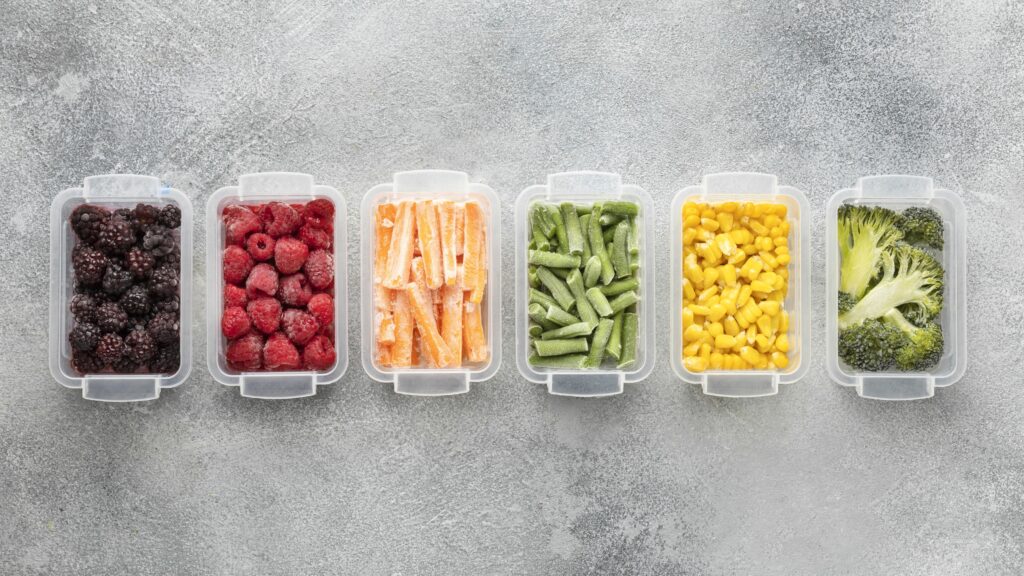
👩🍳 Tips to Cook Frozen Vegetables Like a Chef
- Do not thaw before cooking
- Use high heat for stir-fry to prevent sogginess
- For curries and pasta, add directly to simmering sauce
- For air-fryer vegetables, season lightly and cook at 180°C
- Salt only at the end to retain texture
💰 Are Frozen Vegetables Expensive?
Actually — they are cost-effective.
Example:
You buy 1 kg fresh vegetables → 25% goes to waste (roots, spoiled leaves, trimming)
You buy 1 kg frozen vegetables → 100% usable
So the money you pay is actually better value.
🧊 Storage Guide for Frozen Vegetables
| Storage Point | Recommendation |
|---|---|
| Freezer temperature | –18°C or lower |
| Refreezing after thawing | Not recommended |
| Storage period | 3 to 12 months depending on product |
| Cooking | Direct from freezer — do not thaw |
🧠 Final Thought
Frozen vegetables are not a shortcut — they are a smart, modern approach to healthy eating.
They help you:
- Eat more vegetables every day
- Save money on groceries
- Reduce cooking time
- Live healthier with less stress
- Maintain diet consistency
- Reduce food waste
In a world where people want health + convenience + smart spending, frozen vegetables are becoming an essential and reliable part of kitchens — across continents.
Eating smart is not about spending more time in the kitchen…
It’s about making choices that are healthy, efficient, and sustainable.
And frozen vegetables give us exactly that.